News detail
Tourist Electric Train Cost Breakdown: Find the Right Model for Your Budget
Investing in a tourist electric train can transform your venue, whether it’s a theme park, scenic area, shopping mall, or family entertainment center. These trains not only provide a fun and engaging experience for guests but also enhance the overall appeal of your location.
One of the first questions buyers ask is, of course: “How much does it cost?” The truth is, the price of a tourist electric train can vary significantly based on size, features, and customization options. This guide breaks down costs, helping you choose the right model for your budget.
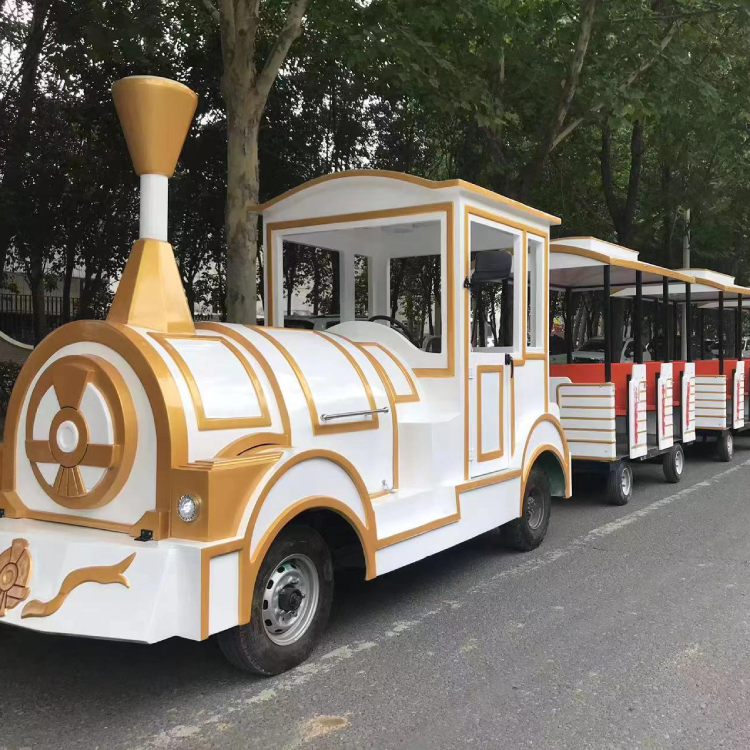
1. Understanding Global Price Ranges
Tourist electric trains come in multiple sizes and configurations, and their prices reflect these differences:
-
Small Models: Typically suitable for indoor or small outdoor areas, carrying 12–16 passengers. Prices generally range from $8,000 to $15,000.
-
Medium Models: Designed for larger venues, capable of carrying 18–28 passengers. Prices usually range from $15,000 to $25,000.
-
Large Models: Built for theme parks or wide scenic routes, these can carry 30–40+ passengers and often include custom cabins, luxury seating, or additional features. Prices can range from $25,000 to $50,000 or more, depending on customization.
Keep in mind that these ranges are indicative; exact prices will depend on specifications and service packages.
2. Key Factors That Influence Price
Several factors contribute to the cost of a tourist electric train:
a) Size and Capacity
Larger trains with more passenger cars require stronger chassis, larger batteries, and more robust motors. Naturally, bigger trains cost more than compact models.
b) Power System
-
Electric Battery Trains: Environmentally friendly, quiet, and ideal for indoor or urban environments. Battery capacity and type can affect price.
-
Diesel or Hybrid Trains: Suitable for long outdoor routes; generally more expensive due to engine complexity.
c) Materials and Build Quality
High-quality steel frames, durable fiberglass cabins, and corrosion-resistant parts increase longevity and safety, and therefore, the price.
d) Customization Options
Custom paint, themed cabins, logos, and seating arrangements can add to the cost. Custom designs make your train unique and attractive to visitors.
e) Safety and Certification
Certified trains meeting CE, ISO, or ASTM standards may cost more upfront but reduce risk and long-term liability. Safety features like seat belts, emergency brakes, and anti-slip floors are essential considerations.
f) After-Sales Service
Trains that include installation guidance, spare parts supply, and 24/7 customer support may appear more expensive initially but save money and stress in the long run.
3. Common Use Cases and Budget Guidelines
Different venues have different requirements:
-
Shopping Malls & Indoor Parks: Smaller trains with fewer cars are sufficient; focus on compact size, quiet operation, and safety. Budget: $8,000–$15,000.
-
Scenic Parks & Outdoor Attractions: Medium-sized trains with 18–28 passenger capacity provide an optimal balance of visibility and comfort. Budget: $15,000–$25,000.
-
Theme Parks & Large Resorts: Large trains for extensive routes or high visitor volume require durable construction, luxury features, and possibly multiple battery packs. Budget: $25,000–$50,000+.
4. How to Determine If a Price Is Reasonable
When evaluating suppliers, avoid focusing solely on the lowest price. Extremely low-priced trains may compromise safety, durability, or after-sales service. To judge whether a price is fair:
-
Check the manufacturer’s credentials. Source from experienced factories like MODERN, not middlemen.
-
Compare included services: installation, training, maintenance support, and spare parts.
-
Evaluate materials and build quality. Longevity reduces long-term costs.
-
Consider customization—sometimes a slightly higher price is worth it for a train that perfectly fits your venue.
5. Why Choosing a Factory Direct Supplier Is the Smartest Choice
Partnering with a source factory like MODERN brings multiple advantages:
-
Lower overall costs: No middlemen markups.
-
Direct customization: Factory can implement specific design requests quickly.
-
Guaranteed quality: Factory tests each train before shipment.
-
Comprehensive support: Installation guidance, spare parts, and global logistics handled professionally.
By choosing a direct factory supplier, you get the best balance between price, quality, and service.
6. Getting Your Personalized Quote
Every venue has unique needs, and final pricing will depend on your preferred size, configuration, and optional features. The best way to know the exact cost is to request a quote directly from a reliable supplier.
At MODERN, we provide:
-
Free consultation and layout planning
-
Detailed pricing based on your specifications
-
Global logistics and installation guidance
-
Ongoing maintenance support
Our team ensures you select the right tourist electric train within your budget while maximizing value for your guests.
Conclusion
Understanding tourist electric train costs helps you make informed purchasing decisions. By considering size, power system, materials, customization, certification, and after-sales service, you can select a train that fits your budget while delivering long-term reliability and guest satisfaction.
Partnering with a trusted factory like MODERN ensures you receive competitive pricing, high-quality construction, and professional support from start to finish.
Online Message
Please leave the message you want to inquiry. We will reply you as soon as possible within 24 hours.