News detail
Thrill Rides Investment: How Many Does a Park Need?
Introduction
When investors start planning a new amusement project, one of the most common questions is not about individual ride selection, but about overall structure:
How many thrill rides does a park actually need to be financially healthy?
This is where Thrill Rides Investment becomes a strategic planning issue rather than a simple purchasing decision.
From MODERN project experience across different park sizes, the number of thrill rides is rarely determined by personal preference. It is shaped by visitor flow, land scale, and operational balance between high-energy attractions and family-friendly rides.
Too few thrill rides may reduce attraction strength. Too many can increase cost pressure without improving overall visitor conversion.
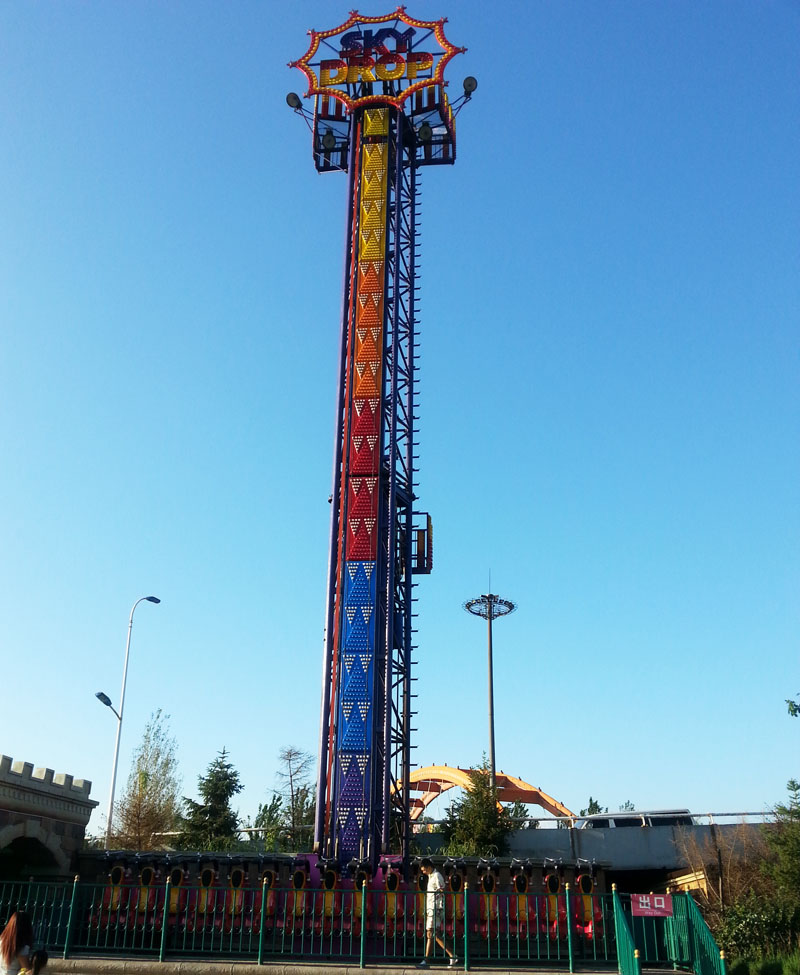
Thrill Rides Investment Understanding the Role of Thrill Rides in a Park
Thrill Rides Investment as a Traffic Attraction Engine
In most amusement parks, thrill rides serve a specific function:
- attract attention from a distance
- create visual impact
- increase park competitiveness
A Thrill Rides Investment strategy is not about filling the park with extreme rides, but about creating “anchor points” that draw visitors inside.
Typically, thrill rides account for a smaller portion of total attractions but generate a disproportionate level of visual engagement.
Thrill Rides Investment Balance Between Risk and Capacity
Thrill rides usually require:
- higher investment per unit
- more space per installation
- stricter safety and maintenance systems
Because of this, they must be balanced carefully with:
- medium rides
- family rides
- children’s attractions
A park built only on thrill rides often struggles with repeat family traffic.
Thrill Rides Investment How Many Thrill Rides Are Actually Needed
Thrill Rides Investment Small Parks (Approx. 5 to 10 Acres)
For smaller parks, a realistic Thrill Rides Investment structure usually includes:
- 1 to 2 major thrill rides
- 2 to 4 medium supporting rides
- multiple family or children rides
In this scale, adding too many thrill rides can overload both budget and operational complexity.
The goal is not quantity, but diversity of experience.
Thrill Rides Investment Medium Parks (Approx. 10 to 30 Acres)
For mid-sized parks, the typical structure becomes more balanced:
- 3 to 5 thrill rides (different intensity levels)
- 4 to 8 supporting rides
- larger family zones
At this level, Thrill Rides Investment starts playing a stronger role in shaping park identity.
Different thrill rides should serve different audience segments rather than repeating similar experiences.
Thrill Rides Investment Large Parks (30+ Acres)
Large parks often operate with:
- 6 to 10+ thrill rides depending on zoning
- multiple themed zones
- layered attraction strategy
However, even in large parks, thrill rides rarely exceed 25 to 35 percent of total attractions.
This is because operational sustainability requires a mix of:
- high-capacity family rides
- low-maintenance attractions
- rest and food areas
Thrill Rides Investment Revenue Contribution Reality
Thrill Rides Investment Does Not Equal Main Income Source
A common misconception is that thrill rides generate most of the revenue.
In reality:
- thrill rides attract visitors
- family rides and repeated-use attractions generate steady income
From real park operation patterns:
- thrill rides contribute strongly to marketing appeal
- but not always the highest daily throughput
This is why Thrill Rides Investment is more about attraction power than direct revenue proportion.
Thrill Rides Investment Throughput Considerations
Most thrill rides have:
- longer cycle times
- higher safety intervals
- lower hourly passenger capacity compared to small rides
This means a single thrill ride cannot carry park revenue alone.
It must be supported by:
- high-frequency rides
- fast-loading attractions
- efficient crowd distribution
Thrill Rides Investment Common Planning Mistakes
Thrill Rides Investment Overloading with Extreme Rides
Some new investors assume more thrill rides equal stronger park performance.
In practice:
- too many thrill rides increase cost pressure
- maintenance complexity rises quickly
- visitor segmentation becomes narrow
Balanced attraction mix is more sustainable.
Thrill Rides Investment Ignoring Visitor Flow Design
Even well-selected thrill rides can underperform if:
- placed in low-visibility areas
- clustered without flow planning
- isolated from family zones
Location strategy is often more important than ride quantity.
Thrill Rides Investment Underestimating Operating Cost
Thrill rides typically involve:
- higher maintenance frequency
- stricter inspection cycles
- more specialized operators
These long-term costs must be considered during investment planning, not after installation.
Thrill Rides Investment How Experienced Operators Approach It
From MODERN project experience, successful operators usually follow a simple logic:
- one or two signature thrill rides for branding
- balanced supporting rides for flow distribution
- strong family and children zones for revenue stability
Instead of maximizing thrill ride count, they optimize park ecosystem balance.
Conclusion
Thrill Rides Investment is not about how many thrill rides a park can physically fit.
It is about how many are needed to create attraction strength without breaking operational balance.
A well-designed park uses thrill rides as strategic highlights, not as the core of the entire system.
The right number depends on scale, audience, and long-term operating model.
Online Message
Please leave the message you want to inquiry. We will reply you as soon as possible within 24 hours.