News detail
Some specific suggestions on how to maintain mechanical electric amusement rides
1. Mechanical Structure Maintenance: From "Wear Prevention" to "Strong Support"
Regular Tightening and Anti-Loosening Treatment
For high-frequency vibration areas (such as the rocking shaft of a pirate ship or the anti-slip device on a roller coaster), re-tighten the bolts weekly with a torque wrench. Use a "double nut anti-loosening" method or apply a thread locker (such as Loctite 243) to prevent loosening caused by vibration.
Lubricate pin joints with grease (such as lithium grease) monthly and inspect the cotter pins for integrity. Replace any broken or deformed pins immediately to prevent the pins from falling out.
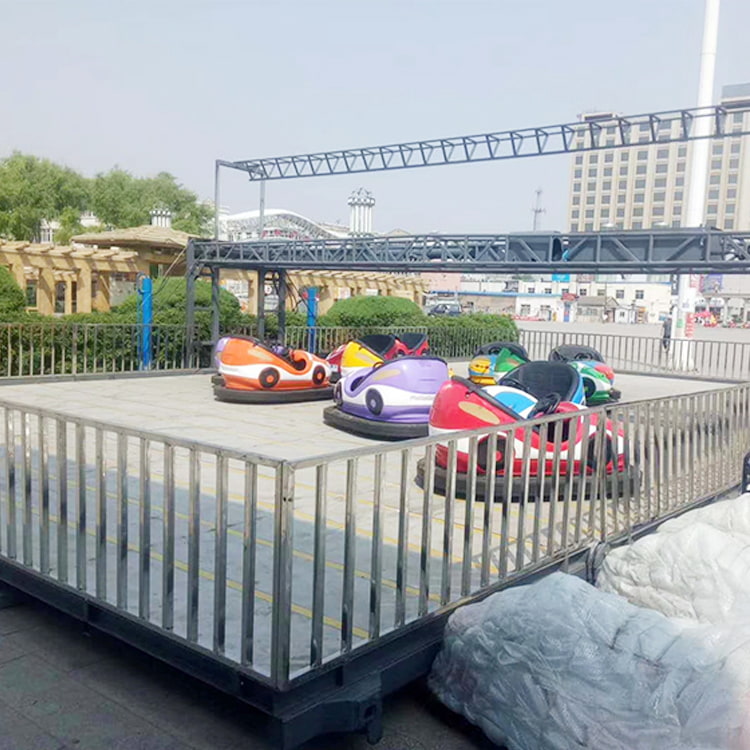
Metal Structure Anti-Corrosion and Repair
Outdoor equipment (such as Ferris wheels and carousels) should undergo rust removal treatment quarterly: Sand rusted areas until the natural metal color is exposed. Apply epoxy primer and polyurethane topcoat with a film thickness of at least 80μm. In coastal areas, an anti-corrosion coating with a higher zinc content is required. Welded components undergo annual nondestructive testing (such as magnetic particle inspection), focusing on the heat-affected zone (HAZ) of welds. If cracks are detected, the system will be shut down immediately and repaired by a certified welder using the original process. Stress relief treatment must be performed again after repair.
II. Electrical System Maintenance: From "Maintaining Stability" to "Preventing Failures"
Regular Inspection and Replacement of Core Components
Motors: Check the stator winding temperature monthly with an infrared thermal imager. If the temperature rise exceeds the allowable value (e.g., ≤105K for Class F insulation), check the bearing lubrication or replace the bearings. Measure insulation resistance every six months using a 500V megohmmeter. The phase-to-phase and phase-to-ground insulation resistance must be ≥0.5MΩ.
Contactors and relays: Disassemble and clean the contacts quarterly, and sand down the oxide layer with fine sandpaper. Replace contacts immediately if wear exceeds 1mm or weld marks appear to prevent contact failure and equipment shutdown. Control System Maintenance
PLC and Sensors: Back up the PLC program monthly using dedicated software and check the stability of input and output signals. Clean the sensing surfaces of photoelectric sensors and proximity switches weekly to prevent dust and moisture from affecting detection accuracy (for example, the water level sensor on the Rapid Flow system requires monthly calibration).
Cables and Connectors: Conduct insulation tests on concealed cables (such as buried cables and internal equipment wiring) every six months, using a megohmmeter to verify that the insulation resistance is ≥ 10MΩ. Seal joints with heat shrink tubing. For outdoor equipment, install a waterproof junction box filled with sealant.
III. Transmission System Maintenance: From "Stable Transmission" to "Reduced Wear"
Reducer and Gear Maintenance
Change the gear oil after the first 500 hours of operation, and every 2000 hours thereafter (reduced to 1500 hours in harsh environments). Completely drain the old oil, flush the interior with fresh oil, and then refill according to the specified oil grade (e.g., N320 extreme pressure gear oil). The oil level should be at the center line of the oil sight glass. Check the gear meshing weekly, listen for uniform operating noise, and measure the backlash with a feeler gauge. If the clearance exceeds 15% of the design value, adjust or replace the gears to avoid the risk of broken teeth.
Chain and Belt Drive Maintenance
Chain: Clean the chain monthly with kerosene. After drying, apply a chain-specific lubricant (such as No. 3 lithium grease), focusing on the contact area between the pin and the roller. Adjust the tension to a manual deflection of 2%-3% of the chain span (e.g., 20-30mm for a 1-meter chain span).
Belt: Check the belt tension weekly. Press the center of the belt with a force of 1kg; the deflection should be 10-15mm. If cracks or edge wear are detected on the belt, replace the entire belt (to avoid mixing old and new belts and causing uneven force). After replacement, realign the pulleys to a maximum deviation of 0.5mm/m. IV. Special Scenarios and Emergency Maintenance
Maintenance After Extreme Weather
After heavy rain: Check the electrical cabinet for water ingress, purge the circuit boards with dry compressed air, and measure the insulation resistance before starting the equipment. Metal structural parts should be wiped dry and re-coated with anti-rust paint, especially inspecting low-lying areas for water accumulation that may have caused rust on the base.
After strong winds: Check the verticality of the supporting structures of high-altitude equipment (such as observation cars and skydiving towers). Measure deviations with a total station. If the deviation exceeds 1/1000 of the altitude, shut down the equipment for calibration. Check the tension of the windbreak cables to ensure they meet design requirements.
Emergency Fault Handling
Establish a "Fault Code Manual": Organize the codes, causes, and troubleshooting steps for common equipment faults (such as motor overload and sensor abnormality) to facilitate quick troubleshooting by operators. (For example, if the PLC displays "E013" indicating a disconnected emergency stop circuit, check whether the emergency stop button is reset.) Spare Parts Reserve: One or two sets of spare parts should be stocked for key components (such as motor bearings, contactor contacts, and sensors). Replacement cycles and installation instructions should be marked to avoid prolonged downtime due to waiting for spare parts.
5. Long-Term Maintenance Mechanism
Develop a "three-tier maintenance plan": daily inspections, regular maintenance (monthly/quarterly), and annual overhauls (in conjunction with manufacturer technical support). Maintenance records should be entered into an electronic system to create an equipment "health profile."
Operator Training: Maintenance skills training should be conducted every six months, focusing on key parameters in the equipment manual (such as torque values and lubrication intervals) and safety device testing methods. Operators must pass the assessment before they can begin work.
Online Message
Please leave the message you want to inquiry. We will reply you as soon as possible within 24 hours.