News detail
Professional Guide: How to Maintain Adult Bumper Cars for Long-Term Operation
For many amusement parks, carnivals, and family entertainment centers, adult bumper cars are one of the most popular attractions. Their thrill, competitiveness, and wide appeal make them a consistent revenue driver. However, purchasing bumper cars is only the first step. To guarantee safe operation, long-term profitability, and customer satisfaction, operators must focus on proper bumper car maintenance.
In this guide, we will provide a professional and detailed approach to maintaining adult bumper cars, helping global park owners solve real pain points and ensure smooth operation for years to come.
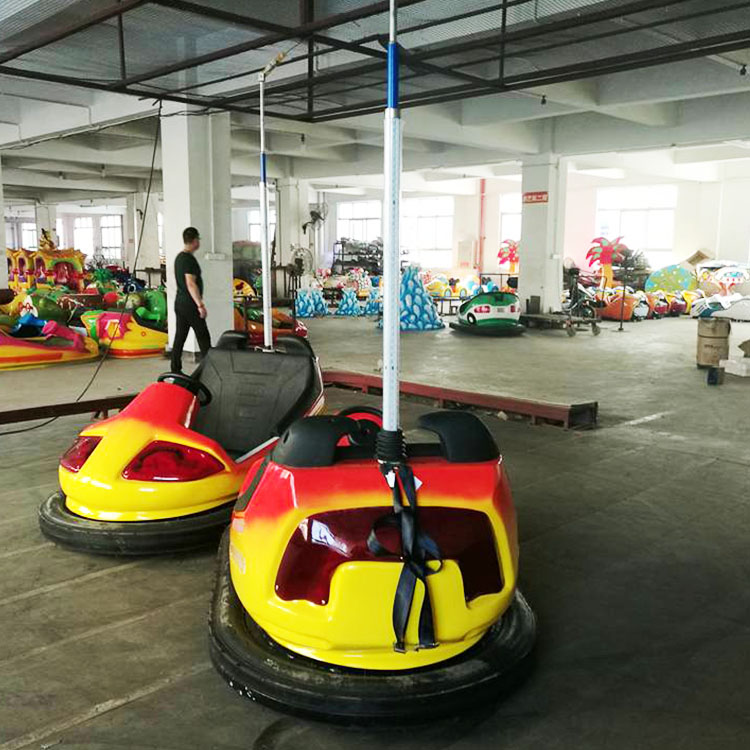
1. Why Maintenance of Adult Bumper Cars Matters
Unlike children’s rides, adult bumper cars face greater mechanical stress because of heavier weight and stronger collisions. Without proper maintenance, common issues may arise:
-
Reduced safety: Loose electrical connections or damaged bumpers may cause malfunctions.
-
Higher costs: Small issues, if ignored, can lead to expensive repairs or replacements.
-
Downtime: Unmaintained rides break down more often, reducing operating hours and profits.
-
Customer dissatisfaction: Visitors expect smooth performance—any malfunction reduces trust in the park.
Therefore, a systematic maintenance plan is essential for every operator.
2. Key Components of Adult Bumper Cars to Inspect Regularly
To keep bumper cars in optimal condition, operators should monitor several critical parts:
✅ Electrical System
-
Check battery voltage or power supply (depending on type: ground-grid, battery-powered, or ceiling-network).
-
Inspect wiring connections and replace damaged cables immediately.
-
Clean terminals to avoid corrosion.
✅ Mechanical Structure
-
Inspect bumpers and rubber edges for cracks or wear.
-
Tighten bolts and nuts on chassis and steering systems.
-
Ensure the frame has no structural deformation after collisions.
✅ Tires and Wheels
-
Examine wheels for cracks, uneven wear, or misalignment.
-
Replace damaged tires promptly to maintain smooth driving.
✅ Motor and Transmission
-
Monitor motor noise and overheating.
-
Lubricate moving parts to reduce friction and wear.
-
Replace worn-out belts, gears, or bearings.
✅ Safety Equipment
-
Test seat belts, steering wheels, and accelerator pedals before daily operation.
-
Confirm emergency stop systems are functional.
3. Daily Maintenance Checklist for Operators
A daily routine inspection ensures that bumper cars remain safe and ready for operation. Here is a suggested checklist:
-
Before opening:
-
Test drive each bumper car.
-
Inspect safety belts and ensure they are functional.
-
Check all electrical connections and power supply.
-
Verify rubber bumpers are intact.
-
-
During operation:
-
Monitor operator control panels for abnormal signals.
-
Listen for unusual sounds from motors or wheels.
-
Ensure cars are not overloaded (adult bumper cars usually have weight limits).
-
-
After closing:
-
Recharge batteries (for battery-powered bumper cars).
-
Disconnect power supply to prevent overuse.
-
Clean cars to remove dust, dirt, or spilled drinks.
-
4. Weekly and Monthly Maintenance Tasks
While daily checks handle surface issues, deeper inspections should be done regularly:
Weekly Maintenance
-
Inspect all nuts, bolts, and joints for tightness.
-
Test braking and steering systems thoroughly.
-
Clean ventilation systems of motors to prevent overheating.
Monthly Maintenance
-
Fully inspect wiring harnesses and insulation layers.
-
Replace worn tires and lubricate bearings.
-
Conduct a full safety test under load (simulate real collisions).
-
Review usage records to identify recurring issues.
5. Seasonal and Long-Term Maintenance
For parks that experience seasonal operations (e.g., summer-only outdoor parks), special care is required:
-
Pre-season: Conduct a complete inspection and replace any damaged parts before reopening.
-
Off-season: Store bumper cars in a dry, ventilated warehouse. Disconnect batteries and maintain them with periodic charging.
-
Annual Overhaul: At least once per year, invite professional engineers (from your amusement rides supplier) to perform a full check-up.
6. Common Problems and Solutions in Adult Bumper Cars
Even with maintenance, operators may face common issues:
-
Battery drains quickly: Check charger efficiency, battery age, and clean terminals. Replace batteries every 2–3 years.
-
Weak collision impact: Inspect bumpers for cracks or hardening; replace damaged rubber bumpers.
-
Motor overheating: Ensure ventilation is clean, lubricate moving parts, and avoid continuous overloading.
-
Cars not starting: Check fuse, wiring, and control switches. Replace faulty relays or motors.
-
Uneven driving: Adjust wheels and replace worn tires.
By addressing these issues early, operators can prevent downtime and extend ride lifespan.
7. Partnering with the Right Supplier for Maintenance Support
Choosing a professional amusement rides manufacturer is critical not only for buying bumper cars but also for long-term maintenance. Reliable suppliers like MODERN provide:
-
Detailed operation manuals with step-by-step maintenance instructions.
-
Technical training for park staff.
-
Spare parts supply with fast international shipping.
-
On-site support or remote guidance for complex repairs.
This ensures that your adult bumper cars stay in top condition and your business runs smoothly.
8. Conclusion
Maintaining adult bumper cars requires a structured approach, from daily checks to long-term overhauls. By focusing on electrical systems, structural integrity, and safety equipment, operators can minimize breakdowns, reduce costs, and ensure customer satisfaction.
For global amusement park investors, choosing a professional supplier like MODERN not only provides high-quality bumper cars but also guarantees expert after-sales support and maintenance guidance. With the right maintenance plan, your bumper cars will remain safe, reliable, and profitable for years to come.
Online Message
Please leave the message you want to inquiry. We will reply you as soon as possible within 24 hours.