News detail
Mobile Amusement Rides: What Serious Operators Really Need to Know
When professionals talk about mobile amusement rides, they are not talking about small decorative attractions. They are referring to transportable mechanical systems that must survive hundreds of relocation cycles while maintaining structural integrity, safety certification, and consistent performance.
Most online articles describe mobile rides in general terms. What they rarely explain is what actually separates a profitable mobile ride from a maintenance headache.
This guide approaches the topic from a manufacturer and operator perspective — not a reseller angle.
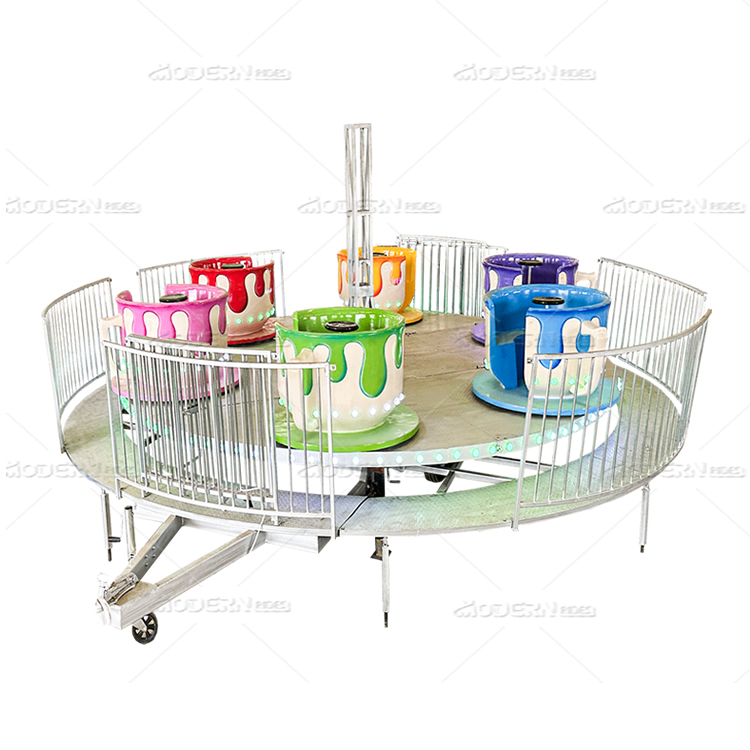
Mobility Is Not Just About Wheels — It’s About Structural Fatigue
The primary mistake inexperienced buyers make is assuming that a mobile ride is simply a “smaller fixed ride on a trailer.”
It is not.
A mobile ride experiences repeated micro-stress cycles every time it is:
-
Lifted
-
Folded
-
Transported
-
Reassembled
-
Re-leveled
Each of those processes introduces fatigue points.
If the connection plates are not thick enough, if weld penetration is inconsistent, or if bolt grades are downgraded to reduce cost, cracks appear within 2–3 seasons.
Serious manufacturers design mobile amusement rides around fatigue resistance first, transport convenience second, and aesthetics third.
Realistic Market Pricing — Without Marketing Inflation
Let’s keep this grounded.
Based on current global supply chain realities and verified supplier data, realistic purchase ranges for mobile amusement rides are:
-
$2,000 – $8,000 → small kiddie mechanical units
-
$1,500 – $10,000 → inflatable / lightweight portable attractions
-
$15,000 – $50,000 → mid-size mechanical carnival rides
-
$60,000 – $150,000 → trailer-mounted large thrill rides
-
$100,000 – $180,000+ → high-capacity specialty mobile systems
These numbers reflect production cost realities — steel pricing, hydraulic systems, electrical components, and labor — not exaggerated theme park branding numbers.
If you see drastically lower pricing for mechanical rides above 20 passengers, you should question:
-
Steel grade
-
Weld inspection process
-
Brake redundancy
-
Electrical protection rating
Low numbers often mean compromises somewhere.
Structural Materials: Where Real Quality Shows
In mobile ride construction, materials are not chosen for brochure value — they are chosen for survival rate.
Steel Selection
Mid to high-level mobile rides typically use structural steel comparable to Q345 strength class.
Why?
Because repeated assembly cycles create localized stress concentration around bolted plates and hinge points.
Using lower-grade steel reduces cost short term but increases long-term deformation risk.
Weld Control
True quality control includes:
-
Consistent weld penetration depth
-
Ultrasonic testing in critical load areas
-
Grinding and reinforcement at stress corners
This is rarely visible in finished paint — but it determines lifespan.
Power Systems and Brake Philosophy
Mobile amusement rides frequently rely on electric-hydraulic drive systems. The reason is controllability.
However, experienced engineers focus more on deceleration behavior than acceleration.
Why?
Because braking shock is what damages structure and scares riders.
A well-tuned hydraulic system distributes braking load gradually.
A poorly tuned one causes impact vibration that shortens bearing life and loosens connections.
Assembly Time Equals Revenue
For traveling operators, time is money.
A mobile ride that takes:
-
10 hours to assemble
versus -
4 hours to assemble
means lost revenue windows.
Design elements that reduce setup time include:
-
Integrated leveling systems
-
Clearly indexed bolt interfaces
-
Pre-wired electrical harnesses
-
Foldable guardrail modules
These are manufacturing decisions, not afterthoughts.
Where Most Operators Lose Money
Not at purchase.
They lose money in:
-
Unexpected bearing replacements
-
Electrical moisture failure
-
Paint corrosion in humid climates
-
Structural fatigue repair welding
The right mobile ride reduces maintenance unpredictability — which directly improves ROI.
Manufacturing Depth Matters More Than Catalog Size
There are two kinds of suppliers in this industry:
-
Assemblers sourcing components externally
-
Integrated manufacturers controlling steel fabrication, machining, welding, electrical integration, and testing
Integrated manufacturing allows:
-
Better alignment tolerances
-
Predictable spare parts compatibility
-
Controlled quality documentation
-
Verified load testing before shipment
This reduces field failures dramatically.
Why Operators Choose MODERN for Mobile Amusement Rides
MODERN has built its reputation not on marketing scale but on manufacturing depth.
-
Over 25 years in mechanical ride fabrication
-
In-house structural steel processing
-
Dedicated welding teams
-
Electrical system integration under controlled testing
-
Full load testing before shipment
-
Exported to 100+ countries, across varied climates
This is critical for mobile rides because repeated transport cycles expose weaknesses quickly. Manufacturing experience prevents those weaknesses.
Final Buyer Evaluation Framework
Before committing to any mobile amusement ride, evaluate:
-
Fatigue design strategy
-
Weld inspection method
-
Brake redundancy
-
Assembly efficiency
-
Spare part supply system
-
Realistic price consistency
Price should make sense relative to material cost and engineering complexity.
If it is dramatically low, something has been removed.
Online Message
Please leave the message you want to inquiry. We will reply you as soon as possible within 24 hours.