News detail
How to choose a sightseeing train? A comprehensive guide from the scene to after-sales service
In today's cultural tourism industry, large scenic spots, theme parks, and even commercial complexes, sightseeing trains are no longer simply a means of transportation; they have become a vital element in enhancing the overall experience and creating unique landscapes. As a major global amusement equipment supplier, MODERN, with a production base spanning hundreds of acres and hundreds of rides, understands the crucial importance of choosing the right sightseeing train for operators. So, what factors should be considered to ensure the best fit for your needs?
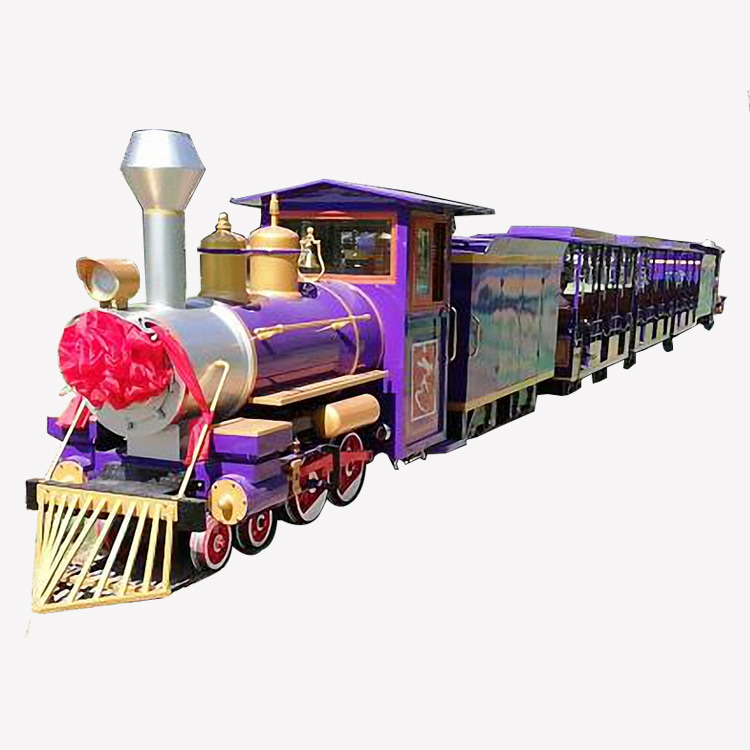
First, clarifying the intended use scenario is fundamental to selecting a sightseeing train. Different scenarios present vastly different requirements for sightseeing trains. For example, in large scenic areas, where the terrain is often vast and complex, such as mountains and steep slopes, sightseeing trains require strong power and excellent climbing capabilities. Furthermore, the train body must be durable enough to withstand prolonged, high-intensity operation. For example, in natural scenic areas, where the track may feature numerous curves and undulations, steering flexibility and shock absorption are particularly important.
For theme parks, the exterior design of the sightseeing train must complement the theme of the park. For example, a fairytale-themed park might choose a colorful and cute sightseeing train, while a retro-themed park might prefer a steam locomotive with a vintage feel.
For commercial complexes or large communities, sightseeing trains primarily serve short-distance connections and leisure sightseeing, so they have higher requirements for comfort and safety. Interior seating layout, space, and amenities like air conditioning all impact the passenger experience.
Secondly, passenger capacity is a crucial factor to consider when choosing a sightseeing train. Different scenarios and passenger volumes require different capacity requirements.
For scenic spots or theme parks with high passenger volume, especially during holidays, a sightseeing train with a larger capacity is recommended to improve transportation efficiency and avoid long waits. Generally, large sightseeing trains can accommodate dozens or even hundreds of passengers, and the number of carriages can be increased or decreased based on demand.
For smaller scenic spots, resorts, or communities with relatively low passenger volume, small or medium-sized sightseeing trains with a capacity of a dozen to twenty passengers are more appropriate. This type of sightseeing train is more flexible and can adapt to narrow roads and complex routes.
In addition, the frequency and interval of the sightseeing train's operation must be considered. If the passenger capacity does not match the passenger flow, it will either waste resources or affect the visitor experience. Therefore, accurately estimating passenger flow and selecting a sightseeing train with the appropriate passenger capacity is crucial.
Furthermore, the choice of propulsion system directly affects the effectiveness and operating costs of the sightseeing train. Currently, the three main propulsion systems for sightseeing trains on the market are electric, fuel-powered, and steam-powered.
Electric sightseeing trains have become a popular choice in recent years, offering advantages such as environmental friendliness, low noise levels, and low operating costs. They are particularly suitable for use in scenic spots, parks, and indoor venues with strict environmental requirements. However, electric sightseeing trains have limited range and require regular charging. When choosing a train, consider whether the charging facilities at the venue are adequate and whether the range on a single charge meets your needs.
Fuel-powered sightseeing trains offer strong power and long range, requiring less frequent charging, making them suitable for use in complex terrain and large outdoor areas. However, it also has significant drawbacks, such as the noise and exhaust it produces during operation, which have a certain impact on the environment, and relatively high fuel costs.
Steam sightseeing trains are primarily used as a scenic feature. Their retro styling and distinctive whistle add a rich historical atmosphere and a sense of fun to any scenic spot. However, steam sightseeing trains have high maintenance costs and relatively low operating efficiency, making them generally only used in scenic spots or tourist attractions with specific themes.
In addition to the above key aspects, safety, maintenance costs, and after-sales service are also important factors to consider when choosing a sightseeing train.
Safety is paramount. As a means of transport for people, sightseeing trains must comply with relevant national safety standards and be equipped with comprehensive safety features such as seatbelts, emergency braking systems, and anti-collision devices. When selecting a supplier, it is important to check whether they have relevant production qualifications and safety certifications to ensure product quality.
Maintenance costs directly impact long-term operating expenses. Maintenance costs vary significantly between sightseeing trains of different powertrain types and brands. Generally speaking, electric sightseeing trains are relatively simple to maintain and relatively inexpensive, while fuel-powered and steam-powered sightseeing trains are more complex and expensive to maintain. When choosing a train, consider both the initial purchase cost and ongoing maintenance costs to determine the most cost-effective option.
After-sales service is equally important; high-quality after-sales service can save operators significant headaches. When choosing a sightseeing train, it's important to understand whether the supplier can provide timely repairs, parts supply, and technical support. Suppliers like MODERN, with large-scale production facilities and a comprehensive service system, can offer comprehensive after-sales service to ensure the smooth operation of their sightseeing trains.
In short, choosing the right sightseeing train requires comprehensive consideration of multiple factors, including usage scenario, passenger capacity, powertrain type, safety, maintenance costs, and after-sales service. Only through a comprehensive and thorough analysis and comparison based on your specific needs can you choose the most suitable sightseeing train, providing a positive experience for tourists while also generating greater operational benefits.
Online Message
Please leave the message you want to inquiry. We will reply you as soon as possible within 24 hours.