News detail
How Much Does It Cost to Build an Amusement Park? A Realistic Investment Breakdown
When investors start exploring the amusement industry, the first question is almost always the same:
How much does it actually cost to build an amusement park?
The honest answer is — it depends heavily on scale, location, ride selection, and construction standards. There is no universal number. However, based on current global industry benchmarks, we can define realistic investment ranges and explain where the money actually goes.
This guide breaks down real-world cost structures — from small local parks to regional theme destinations — so you can estimate your project with clarity instead of guesswork.
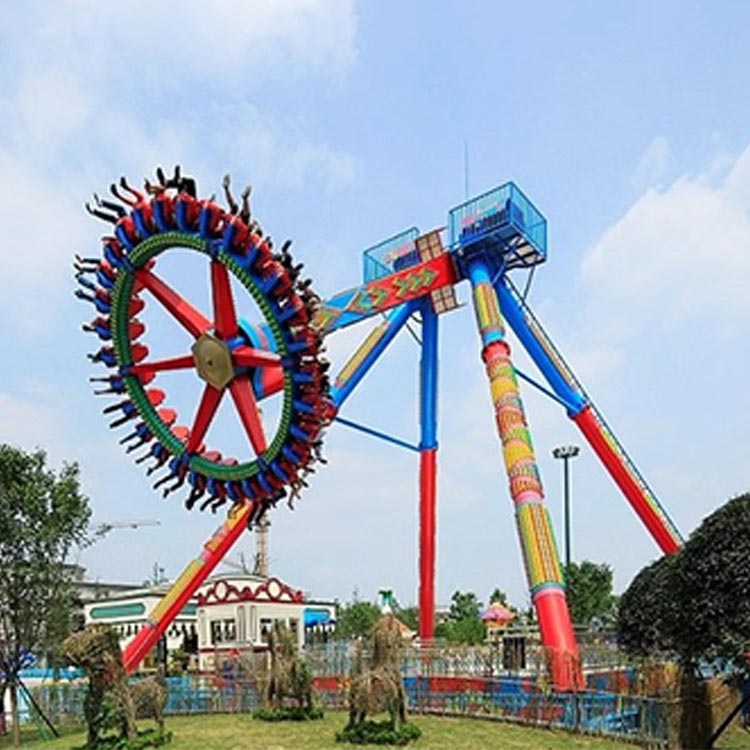
1. Investment Ranges by Park Size
Small Amusement Park (2,000–5,000 m²)
Typical Investment: $100,000 – $300,000
These projects are often located in communities, shopping districts, or small outdoor spaces. They usually focus on family and children’s rides.
Common ride configuration:
-
Carousel
-
Mini Ferris wheel
-
Kiddie roller coaster
-
Bumper cars
-
Track train
In most small projects:
-
Equipment accounts for about 50% of total investment
-
Basic construction and groundwork take around 30%
-
The remainder covers permits, utilities, and opening costs
Small parks are often operational within 4–8 months and typically target a 3–5 year payback period depending on foot traffic.
Medium Family Entertainment Park (10,000–30,000 m²)
Typical Investment: $500,000 – $2 million
This is one of the most common investment categories globally. These parks attract both local families and regional tourists.
Ride mix often includes:
-
Medium-sized Ferris wheel
-
Bumper car arena
-
Spinning thrill rides
-
Family roller coaster
-
Interactive attractions
Cost structure usually looks like this:
-
Equipment: 40%–50%
-
Civil construction and infrastructure: 30%–40%
-
Utilities, planning, compliance, and landscaping: 15%–20%
The final figure depends largely on theming level and local construction costs. A clean, efficient layout without heavy decorative theming keeps budgets under control.
Large Theme Park (50,000 m² and above)
Typical Investment: $5 million – $30 million+
At this scale, projects become capital-intensive and often require external financing.
Major expenses include:
-
Signature roller coasters ($1M–$5M each)
-
Water rides
-
Themed zones
-
Advanced lighting and control systems
-
Full infrastructure development
Land cost becomes a much larger percentage at this level, especially in prime tourism areas.
Return cycles typically extend to 7–10 years depending on attendance volume and ticket pricing strategy.
2. Where the Money Actually Goes
Understanding cost categories helps avoid underestimating the project.
Land and Site Development
Land cost varies dramatically by country and location. In many projects:
-
Land acquisition or long-term lease can represent 20%–40% of total budget.
-
Site leveling, drainage, and groundwork are frequently underestimated.
Coastal or tourism-focused areas often require additional foundation reinforcement due to soil conditions.
Ride and Equipment Procurement
This is the core of your investment.
Industry-standard price ranges:
Small rides:
$5,000 – $30,000
Examples: carousels, kiddie trains, mini rides.
Medium rides:
$30,000 – $200,000
Examples: Ferris wheels, spinning rides, bumper cars, family coasters.
Large thrill rides:
$200,000 – $5 million
Examples: major roller coasters, large water attractions.
The final price depends on:
-
Height and capacity
-
Structural steel volume
-
Control systems
-
Safety certification standards
Imported European or American rides typically cost significantly more than Asian-manufactured equipment.
Infrastructure and Utilities
Every park requires:
-
Electrical systems
-
Water supply
-
Drainage
-
Roadways and pathways
-
Parking areas
-
Perimeter fencing
For a mid-size project, infrastructure commonly ranges from $100,000 to $400,000 depending on local labor costs.
Design, Engineering, and Compliance
Professional master planning is not optional.
Typical allocation:
$10,000 – $100,000 depending on project scale.
This includes:
-
Layout optimization
-
Ride positioning
-
Crowd flow design
-
Safety review
-
Government approvals
Skipping professional planning often leads to costly layout corrections later.
Construction and Installation
Ride foundations, concrete work, landscaping, lighting systems, and installation labor must be calculated carefully.
Installation teams typically work in phases:
-
Foundation preparation
-
Structural assembly
-
Electrical wiring
-
Commissioning and safety testing
Many investors underestimate commissioning time, which can take several weeks per major ride.
Operating Capital Before Opening
No park should open without sufficient working capital.
You must account for:
-
Staff recruitment and training
-
Initial marketing campaigns
-
Insurance coverage
-
Spare parts inventory
-
Utilities deposits
A safe rule is to reserve at least 3–6 months of operating expenses before opening day.
3. Example: 5,000 m² Coastal Park Investment Estimate
For a 5,000 m² flat coastal project serving both tourists and local families:
Estimated total investment:
$3 million – $5 million
Typical allocation:
-
Ride equipment: $1.2M – $2M
-
Civil works and infrastructure: $800K – $1.5M
-
Design and approvals: $200K – $400K
-
Opening capital: $500K – $800K
The final number depends heavily on:
-
Ride selection
-
Theming level
-
Local construction standards
-
Government requirements
4. How to Control Amusement Park Construction Costs
Experienced investors usually follow three principles:
-
Work directly with manufacturers instead of trading intermediaries.
-
Phase construction if capital is limited.
-
Avoid overloading the park with oversized rides that exceed market demand.
Efficient ride selection often improves ROI more than simply increasing the total number of attractions.
5. Final Investment Perspective
Building an amusement park is not just about buying rides. It is about balancing:
-
Capital expenditure
-
Market demand
-
Operating efficiency
-
Long-term maintenance
Small parks can start from under $300,000.
Regional family parks typically range between $500,000 and $2 million.
Large destination parks begin at $5 million and rise quickly from there.
A realistic budget, combined with proper planning and disciplined execution, is what determines whether the project becomes profitable — not simply how much money is invested.
About MODERN
MODERN is an experienced amusement ride manufacturer supplying projects worldwide, from small community parks to large-scale themed developments. With practical engineering solutions, certified safety standards, and project-based budgeting support, MODERN helps investors control construction costs while building sustainable, revenue-focused parks.
Online Message
Please leave the message you want to inquiry. We will reply you as soon as possible within 24 hours.