News detail
Global Strategic Guide to Bumper Car Procurement: Engineering Specs, Pricing Benchmarks, and Asset Performance
1. Market Positioning: The Role of Bumper Cars in a Modern Amusement Portfolio
Before looking for bumper cars for sale, an investor must understand their underlying business logic. Unlike high-thrill rides that rely on physiological intensity, bumper cars drive revenue through human interaction and high throughput. In 2026, they remain an anchor asset—a reliable cash-flow generator that appeals to all demographics and effectively extends a guest’s dwell time in your facility.
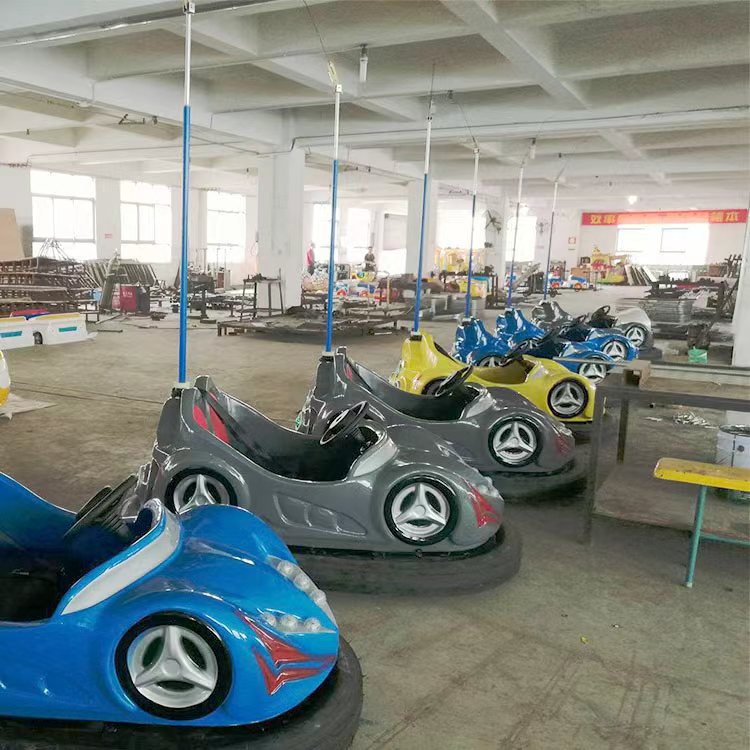
2. Drive System Analysis: Comparing Floor Grid, Ceiling Grid, and Battery Power
-
Floor Grid (Ground Grid): The gold standard for high-traffic parks. Power is delivered through a conductive steel floor, allowing 24/7 operation without downtime for charging. It is the most durable option for venues seeing over 2,000 guests daily.
-
Ceiling Grid (Overhead): A classic choice often used for vintage-themed areas. While visually iconic, it requires significantly more maintenance due to carbon buildup on the overhead mesh and brush wear.
-
Battery Powered (Cordless): Modern lithium-ion technology has revolutionized this segment. These cars offer zero-barrier entry, requiring no expensive steel flooring. They are ideal for indoor malls, rooftop gardens, or temporary pop-up carnivals.
3. 2026 Procurement Price Index: Benchmarks by Model and Drive Type
The following figures represent 2026 FOB price ranges from top-tier manufacturers. Prices vary based on order volume and specific hardware customizations.
| Model Category | Drive System | Benchmark Price (Per Unit) | Operational Notes |
| Standard Competitive | Floor Grid | $800 - $1000 | Excludes steel floor plating (approx. $70-$80/sqm) |
| Vintage Classic | Ceiling Grid | $820 - $1000 | Includes overhead supports and grid system |
| Commercial High-Output | Lithium Battery | $820 - $920 | Includes fast-charging and high-capacity cells |
| Mobile/Leasing Grade | Lead-acid Battery | $800 - $1,000 | Lower entry cost; higher long-term battery overhead |
| Custom IP / LED Edition | Any Drive | $800 - $1000 | Dependent on shell complexity and LED density |
4. Key Cost Drivers: Why Do Prices Vary So Much Between Suppliers?
When evaluating quotes, the sticker price is often misleading. The real cost difference lies in components that impact the Total Cost of Ownership (TCO):
-
Motor & Control Logic: Are you getting a brushless AC motor or a cheap DC carbon-brush motor? Industrial-grade PLC control cabinets drastically reduce downtime but can add $500 per unit to the cost.
-
FRP (Fiberglass) Quality: A 6mm+ multi-layer hand-laid shell is three times as durable as a standard spray-on shell. This determines the asset's aesthetic longevity after 50,000 collisions.
-
Battery Management (BMS): For battery models, the brand of the cell (e.g., Tier-1 commercial grade) and the stability of the BMS are critical for both runtime and fire safety.
-
Impact Buffers: High-elasticity industrial rubber rings are far more expensive than recycled rubber, but they are vital for protecting the guest’s neck and the car’s internal frame from shock.
5. Engineering Standards: Assessing an Asset's "Service Life"

A bumper car’s residual value is determined by its resistance to structural fatigue.
-
Chassis Architecture: Look for a heavy-duty, welded steel chassis that has undergone hot-dip galvanization to prevent rust in humid indoor or outdoor environments.
-
Shock Absorption: Professional-grade cars feature bumper rings with internal air chambers or reinforcement ribs. This design doesn't just improve comfort; it diverts kinetic energy away from the sensitive electronic and mechanical components.
6. Regulatory Compliance: Managing Legal and Safety Risks
In the amusement industry, compliance is non-negotiable. Operating without proper documentation is a massive liability.
-
Restraint Systems: Seats must be equipped with two-point or three-point secondary-locking safety belts.
-
Global Standards: Ensure your supplier provides engineering calculations and material certifications that comply with EN 13814 (EU) or ASTM F2291 (USA).
7. ROI Model: Turning Collisions into Cash Flow
Bumper cars are cash-flow machines because their operational overhead is remarkably low.
-
Throughput Logic: Assuming a 5-minute cycle, a 15-car arena running 6 sessions per hour at 60% occupancy will cycle approximately 54 guests per hour.
-
Maintenance Budget: Routine costs (carbon brushes, rubber maintenance, and floor cleaning) typically only account for 2%-5% of monthly revenue.
-
Payback Period: In high-traffic retail or tourist zones, the initial equipment investment is usually recovered within 8 to 12 months.
8. Operational Best Practices: Driving Repeat Rides
-
Atmospheric Design: Use mirror-finish stainless steel ceilings and programmable RGB LED lighting to create a "nightclub" vibe, which justifies higher ticket prices.
-
Gamification: Organize collision tournaments or time-based challenges to encourage social competition and repeat visits.
-
Social Media Integration: Install phone mounts or onboard POV cameras so guests can easily share their experience on TikTok or Instagram, providing you with free organic marketing.
Conclusion: Sourcing for Longevity, Not Just Price
When searching for bumper cars for sale, focus on the cost-per-cycle rather than the initial purchase price. Partnering with a supplier like Hotfun means investing in high engineering standards and global compliance. We build tools that aren't just fun to drive—they're built to survive.
Online Message
Please leave the message you want to inquiry. We will reply you as soon as possible within 24 hours.