News detail
Foundationless Carousel Ride Buying Guide for Park Investors
What Is a Foundationless Carousel Ride and Who Actually Needs It?
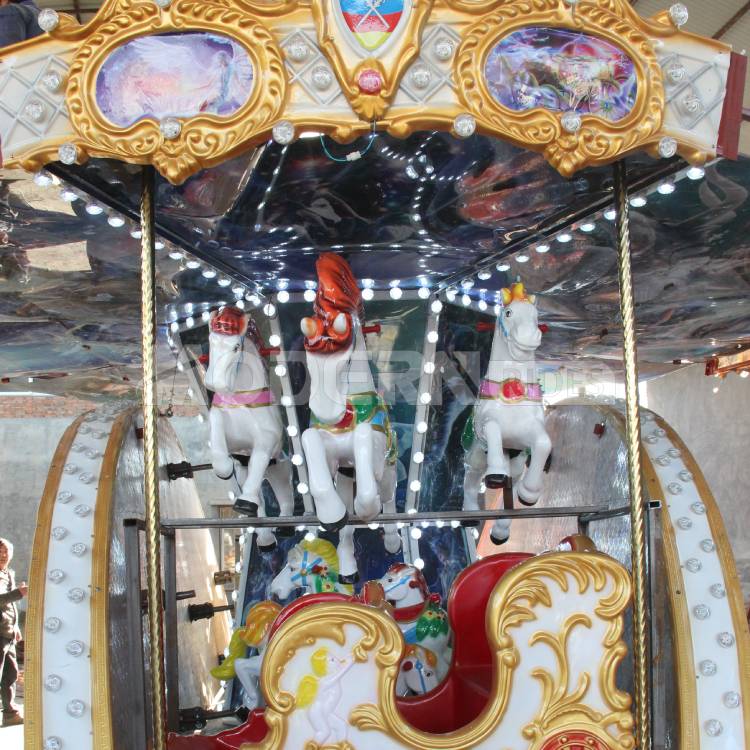
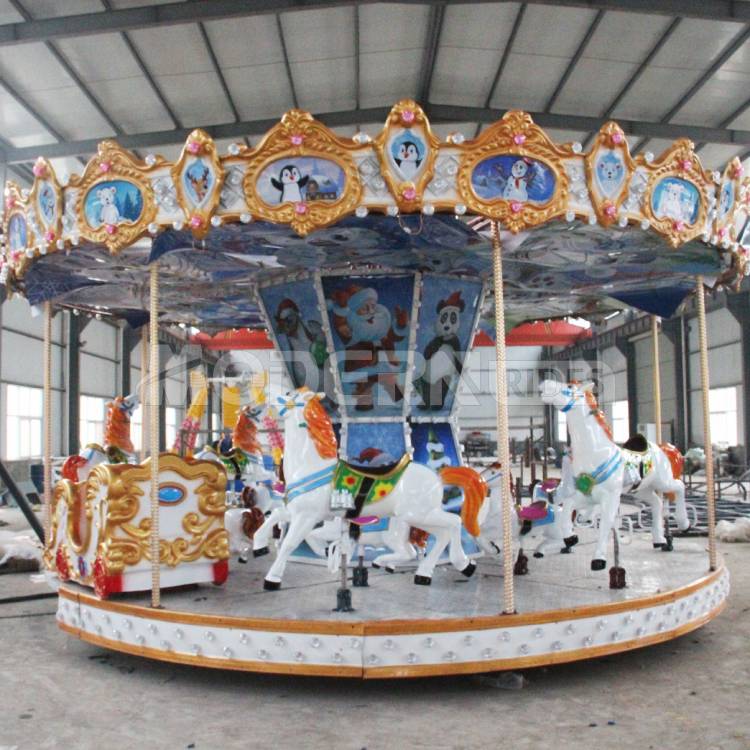
A Foundationless Carousel Ride is a modular carousel system designed to operate on a reinforced flat surface without permanent concrete foundation works.
Unlike traditional fixed-base merry-go-rounds that require deep civil construction, this structure uses an integrated steel base frame that distributes load across surface contact points.
This model is typically selected by:
-
Shopping malls
-
Indoor FEC centers
-
Tourism scenic spots
-
Temporary event operators
-
Investors avoiding heavy civil construction
It is not a “cheap carousel.” It is a mobility-oriented structural solution.
Real Market Price of a Foundationless Carousel Ride
Let’s correct unrealistic pricing immediately.
For export-grade Chinese manufacturing (CE compliant, international wiring standard):
| Size | Capacity | Realistic EXW Price |
|---|---|---|
| 12 seats | 12 riders | USD 18,000 – 24,000 |
| 16 seats | 16 riders | USD 22,000 – 30,000 |
| 24 seats | 24 riders | USD 32,000 – 45,000 |
Freight, import tax, and local certification are not included.
Anything above USD 60,000 for this type (unless heavily themed fiberglass customization) is typically branding markup.
Anything below USD 15,000 usually compromises:
-
Steel thickness
-
Motor quality
-
Control cabinet components
-
Paint system
This is current real factory-level pricing for 2026 export market.
Structural Engineering Logic Behind Foundationless Carousel Ride
Integrated Steel Base Platform
Instead of anchoring to ground bolts embedded in concrete, the ride uses:
-
Thick Q235B or Q345 steel frame
-
Multi-point support legs
-
Load distribution plate system
-
Anti-slip base pads
Average total weight: 4.5–8 tons depending on size.
Drive System
Most reliable configuration:
-
3–5.5 kW motor
-
Cycloidal reducer or helical gear reducer
-
Variable frequency control (VFD)
-
Soft start & soft stop logic
Rated rotational speed: 4–8 rpm (industry standard for family carousel)
Manufacturing Process Transparency (Factory-Level Reality)
A real Foundationless Carousel Ride manufacturer will follow:
-
CNC laser cutting of steel frame components
-
Full-penetration CO₂ welding
-
Ultrasonic weld inspection (optional for export markets)
-
Shot blasting SA2.5 grade
-
Electrostatic powder coating (120–150μm thickness)
-
Fiberglass molding via hand lay-up method
-
Sanding → gelcoat finishing → UV resistant paint
-
72-hour no-load running test
-
8-hour continuous loaded rotation test
Control cabinet components should include:
-
Schneider / Chint breaker
-
Emergency stop circuit
-
Overload protection
-
Leakage protection device
If supplier cannot explain these steps, they are trading company or assembly workshop.
Compliance & Safety Standards for Foundationless Carousel Ride
Export markets typically require:
-
CE (Europe)
-
EN 13814 mechanical safety compliance
-
ISO 9001 factory management
-
SASO (Saudi Arabia) when required
-
Local state inspection in US markets
Key safety features:
-
Dual-channel emergency stop
-
Speed limit locking
-
Safety belt per seat
-
Anti-slip boarding platform
-
Anti-collision perimeter clearance
No exaggeration — these are baseline expectations in 2026.
Operational Maintenance Practical Guide (Professional 500+ Word Section)
Operating a Foundationless Carousel Ride safely and profitably requires disciplined routine management rather than complex technical skill.
Daily Pre-Opening Checklist:
Before opening each day, the operator must inspect:
-
Base frame leveling status
-
Anchor locking system
-
Drive shaft lubrication condition
-
Electrical cabinet temperature and smell check
-
Emergency stop function test
-
Safety belt buckle integrity
Total time required: 15–20 minutes.
Weekly Maintenance:
-
Check reducer oil leakage
-
Inspect motor vibration
-
Tighten structural bolts
-
Clean ventilation grills
-
Test limit switches
Monthly Maintenance:
-
Grease main bearing (usually lithium grease No.2)
-
Inspect gearbox oil level
-
Check VFD parameter stability
-
Inspect fiberglass surface cracks
-
Inspect LED lighting wiring stability
Annual Major Inspection:
-
Drain and replace reducer oil
-
Inspect steel frame corrosion
-
Re-level platform if surface settlement occurs
-
Inspect central column bearing wear
-
Full electrical insulation resistance test
Staff Training Requirements:
Operators must be trained on:
-
Emergency shutdown procedure
-
Evacuation protocol during power failure
-
Maximum load enforcement
-
Passenger restriction criteria (height, health condition)
Typical daily operating hours: 6–10 hours
Typical service life under proper maintenance: 8–12 years
Maintenance cost ratio:
Approximately 3–5% of purchase price annually under standard operation.
If failure rate exceeds this, the issue is either:
-
Poor quality initial manufacturing
-
Improper preventive maintenance
Foundationless design does not reduce safety. It reduces civil construction complexity. Proper leveling and load distribution are critical.
Final Procurement Decision Checklist for Foundationless Carousel Ride
Before placing order, confirm:
-
Steel thickness specification
-
Motor brand and power rating
-
Reducer model
-
Electrical brand list
-
Weight certificate
-
Load calculation sheet
-
CE documentation validity
-
Spare parts list included
If supplier avoids technical details and only discusses decoration, reconsider.
Online Message
Please leave the message you want to inquiry. We will reply you as soon as possible within 24 hours.