News detail
Different Types of Amusement Park Rides: Thrill, Family, Children, Water & More
What are the main types of amusement park rides?
Amusement park rides are broadly classified according to ride mechanics, intensity, target audience, and operational environment. The major categories include:
-
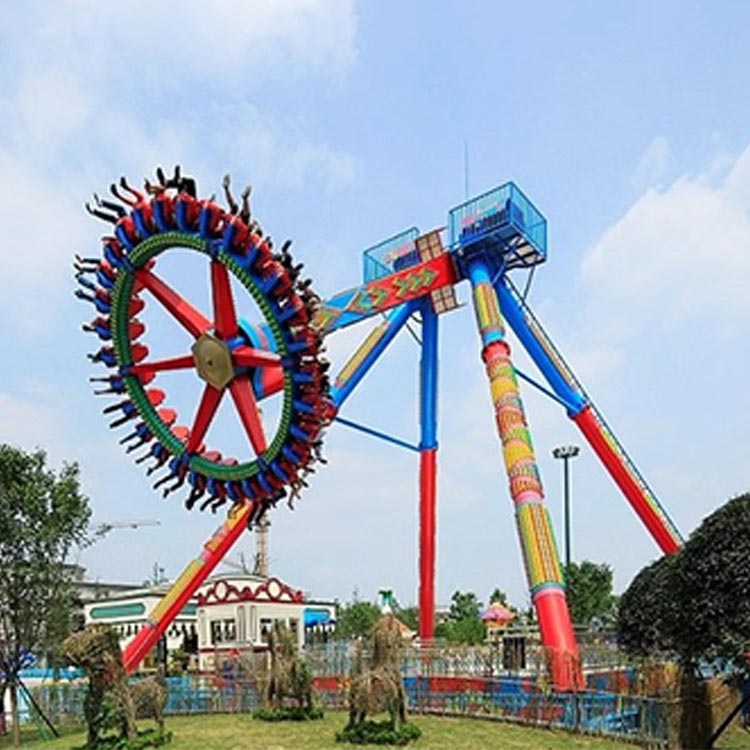
Thrill Rides (roller coasters, drop towers, gyro swing rides, giant pendulum rides)
-
Family Rides (Ferris wheels, trackless trains, flying chairs)
-
Children’s Rides (carousels, kiddie cars, mini spinning rides)
-
Water Rides (log flumes, river rapids, splash boats)
-
Dark Rides (interactive shooting rides, themed track-based rides)
-
Spinning Rides (tea cup rides, frisbee rides, rotating towers)
-
Transport and Observation Rides (monorails, cable cars, sightseeing trains)
-
Themed Mechanical Rides (custom motion platforms, animatronic rides)
Understanding these categories helps park planners, ride operators, and investors optimize layouts, balance visitor flow, and ensure safety compliance.
How are amusement park rides classified?
Rides can be classified by:
-
Intensity: thrill vs family vs children’s
-
Motion Type: vertical (drop towers), rotational (gyro swings, tea cups), linear (coasters, trackless trains)
-
Target Riders: age, height, and safety requirements
-
Environment: indoor (dark rides) vs outdoor (roller coasters, Ferris wheels)
This classification method is widely used by manufacturers, engineers, and safety inspectors.
What are thrill rides and their common examples?
Thrill rides are designed to maximize excitement through speed, height, rotation, or sudden drops. Examples include:
-
Roller Coasters (steel, wooden, multi-loop)
-
Drop Towers
-
Gyro Swing Rides
-
Giant Pendulum Rides
-
Launch Coasters
These rides require advanced restraint systems, strict height limits, and frequent inspections to ensure guest safety.
What are family rides and how do they differ from thrill rides?
Family rides provide moderate motion suitable for both adults and children, emphasizing shared experiences rather than extreme thrills. Common examples:
-
Ferris Wheels
-
Trackless Sightseeing Trains
-
Flying Chairs
-
Mini Coasters
Family rides often have higher capacity, longer operating hours, and lower maintenance complexity, making them core revenue generators.
What types of rides are designed specifically for children?
Children’s rides focus on safety, comfort, and visual engagement rather than speed. Examples:
-
Carousels (classic horses, animal-themed)
-
Kiddie Cars or Planes
-
Mini Spinning Rides
-
Small Drop Rides
These rides incorporate low-speed mechanisms, simple controls, and protective barriers, ensuring younger guests can enjoy the experience safely.
What are water rides and popular examples?
Water rides combine movement with water features, creating immersive experiences. Examples include:
-
Log Flumes
-
River Rapids Rides
-
Splash Boats
-
Water Coasters
They require corrosion-resistant materials, waterproofing, and effective drainage systems, and safety is monitored closely.
What is considered a dark ride in amusement parks?
Dark rides are indoor attractions emphasizing storytelling, lighting, sound, and special effects over physical motion. Examples:
-
Interactive Shooting Rides
-
Themed Track-Based Story Rides
-
Animatronic Vehicle Rides
Safety management focuses on track integrity, controlled speed, and synchronized special effects.
What are spinning rides and how do they operate safely?
Spinning rides create motion primarily through rotation, sometimes combined with vertical movement. Examples include:
-
Frisbee Rides
-
Rotating Towers
These rides require precise balance control, vibration management, and regularly inspected restraint systems.
What are transport and observation rides?
These rides move guests around the park or provide elevated observation points. Examples:
-
Monorails
-
Cable Cars
-
Trackless Sightseeing Trains
They are designed for continuous operation, durability, and smooth passenger experience, prioritizing safety and comfort over thrill.
Why is ride classification important for park planning?
Proper classification allows park owners and operators to:
-
Balance thrill and family attractions
-
Optimize visitor flow
-
Plan maintenance schedules efficiently
-
Ensure compliance with safety standards
Online Message
Please leave the message you want to inquiry. We will reply you as soon as possible within 24 hours.