News detail
Choosing the right sightseeing train: A complete guide from suitable groups, cost control to personalized customization
Sightseeing trains are playing an increasingly prominent role in today's diverse leisure and entertainment landscapes. Choosing the right one requires considerations that go beyond the obvious. As a major global amusement ride supplier, MODERN has extensive experience in the sightseeing train sector, leveraging its vast production base and extensive product portfolio. Below, we'll introduce key points for selecting a sightseeing train from the perspectives of target audience, operating cost control, and customization.
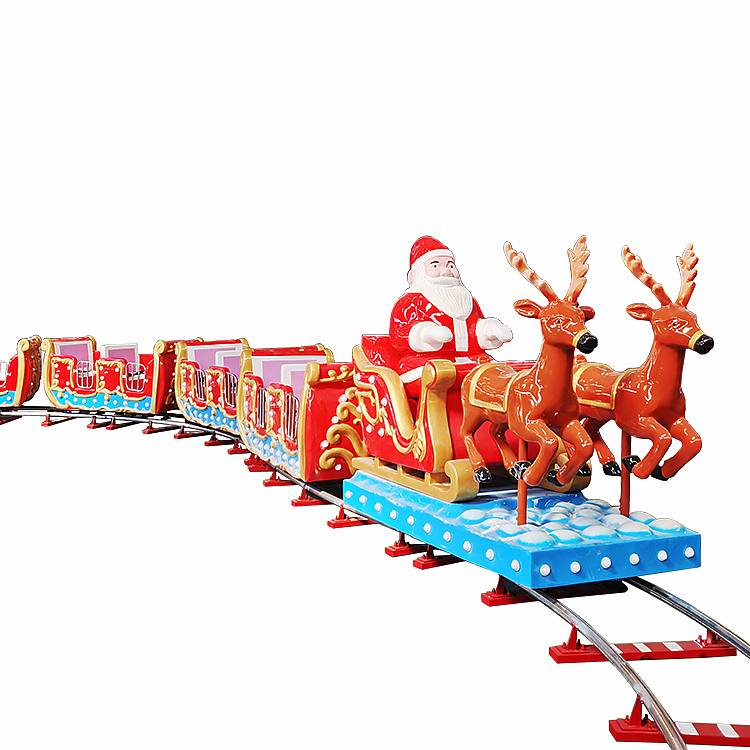
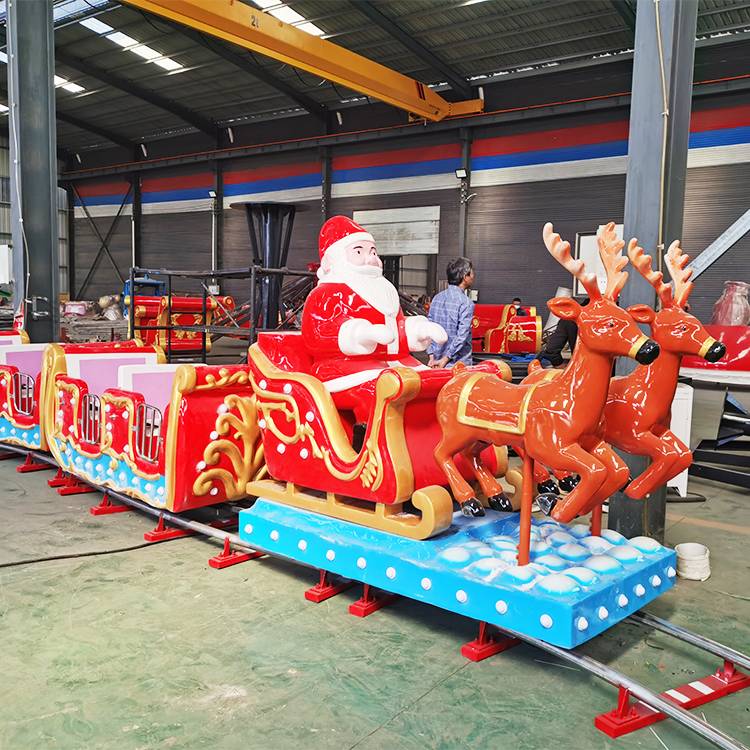
1. Identify the target audience and choose a model that meets their needs.
Different target audiences have different needs for sightseeing trains. Only by accurately identifying these groups can you choose the right model.
If a sightseeing train primarily serves families, safety and fun are paramount considerations. The train should be designed to be comfortable for parents to supervise their children. Carriages with decorative handrails and small tables can enhance children's enjoyment. Furthermore, the train should be designed to be moderately fast to ensure children's safety.
For the elderly, comfort and convenience are even more important. Steps for boarding and exiting should be low and stable, making it easier for the elderly to get on and off. Seats should be wide and soft, ideally equipped with backrests and armrests for greater comfort. Furthermore, the carriages should be well-ventilated to avoid stuffiness.
For venues catering to younger audiences, such as theme parks and music festivals, sightseeing trains can be more stylish and interactive. For example, an open-top design allows young people to better appreciate the scenery along the way, and audio equipment can be installed to play pop music and create a lively atmosphere.
2. Control operating costs and achieve efficient operations
Operating costs are a long-term consideration. When choosing a sightseeing train, it's important to manage costs across multiple dimensions to ensure efficient operation.
Energy consumption is a key component of operating costs. As mentioned above, electric sightseeing trains may have a higher initial purchase cost, but their electricity costs are lower than fuel costs, making them more cost-effective in the long run. However, the choice should be based on the venue's power supply to avoid operational issues caused by charging difficulties.
Maintenance costs are also important. Maintenance costs vary significantly between different brands and types of sightseeing trains. When selecting a sightseeing train, it's important to understand the replacement costs of common wearing parts, maintenance cycles, and accessibility to repair personnel. Choosing a sightseeing train with a simple structure and highly compatible parts can reduce maintenance complexity and costs.
Also, consider the train's service life. High-quality sightseeing trains have longer service lives, reduce replacement frequency, and ultimately save costs. Modern sightseeing trains utilize high-quality materials and advanced technology to ensure a long service life and effectively control operating costs.
3. Personalization to Highlight the Venue's Unique Features
In a highly competitive market, personalized sightseeing trains can enhance a venue's recognition and attract more visitors. Therefore, consider products that offer customization services.
Exterior customization is the most common option. Customization can be applied to the train's exterior, including color, patterns, and logos, based on the venue's theme and characteristics. For example, a marine-themed scenic spot could feature a sightseeing train designed to resemble marine life like whales and dolphins, with designs like waves and coral painted on the train's exterior to seamlessly blend in with the theme.
The interior can also be customized. Features can be added or removed to suit specific needs. For example, at some high-end resorts, sightseeing trains may be equipped with luxurious seats, mini-refrigerators, and charging ports to provide a more comfortable experience for visitors. Meanwhile, at some science-based attractions, in-car displays may be installed to broadcast relevant scientific information.
Routes and features can also be customized to a certain extent. If your venue has special route requirements, such as tunnels or bridges, you can work with the supplier to customize a sightseeing train to suit that route. Some sightseeing trains may even feature vending machines, such as snacks and beverages, to generate additional revenue for the operator.
In short, choosing the right sightseeing train requires a comprehensive consideration of factors such as the target audience, operating cost control, and customization. We hope that the above information will help you find the best sightseeing train for your venue, providing a unique experience for your visitors while achieving optimal operational efficiency.
Online Message
Please leave the message you want to inquiry. We will reply you as soon as possible within 24 hours.