News detail
Bumper Car Ride Battery Life: What Operators Learn After Real-World Use
When evaluating Bumper Car Ride Battery Life, most buyers initially rely on technical specifications. However, once the equipment is in daily operation, those numbers often shift. The difference is not caused by misleading data, but by real usage conditions that cannot be fully replicated in factory testing.
From installation projects and long-term operation feedback, battery performance is shaped by how the ride is used—how frequently cars accelerate, how they are charged, and how stable the operating environment is. These factors together define the actual runtime more than the battery rating itself.
Understanding this gap is essential for operators who want predictable performance instead of constant adjustments.
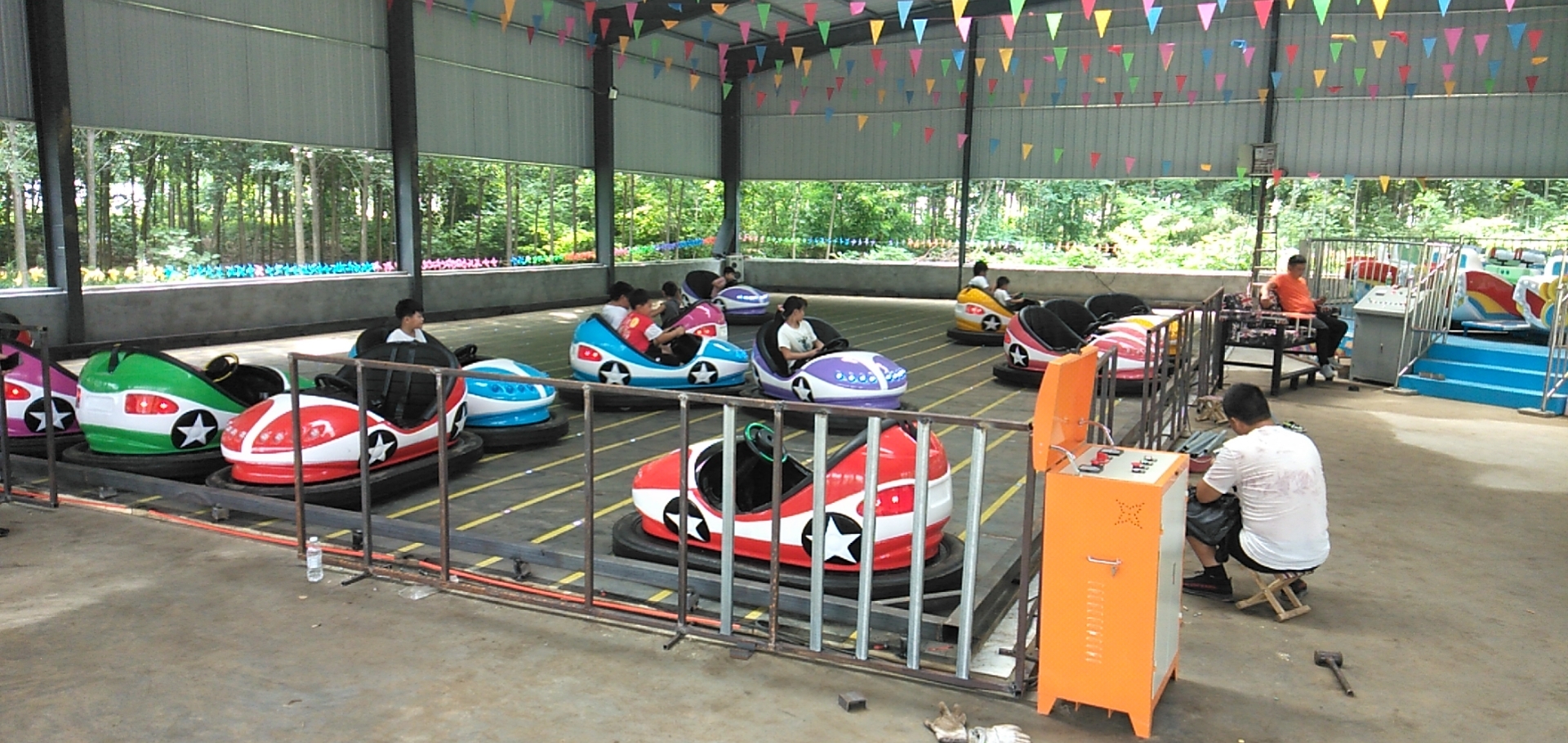
Battery Types and Their Practical Performance
In current amusement operations, two battery systems dominate bumper car applications: sealed lead-acid and lithium-based solutions.
Lead-acid batteries are still widely used due to their lower upfront cost. Under moderate conditions, they typically support several hours of continuous operation before requiring a full recharge cycle. However, their performance is sensitive to usage habits. Frequent deep discharge or inconsistent charging will gradually reduce their effective capacity.
Lithium systems, especially LiFePO4 configurations, provide a more stable output across repeated cycles. They recover faster during charging and maintain performance consistency even under higher usage intensity. In practice, this results in longer usable operating windows during peak hours.
From a system perspective, choosing between these options is not just about budget—it is about how the ride will be operated.
Why Actual Runtime Deviates From Expectations
Start–Stop Behavior and Energy Demand
Unlike rides with constant motion, bumper cars operate in short bursts. Every acceleration event requires a surge of current. Over a full day, these repeated spikes significantly increase total energy consumption.
In controlled testing, energy draw appears stable. In real operation, however, the frequent start–stop pattern reduces effective runtime. This is one of the main reasons why Bumper Car Ride Battery Life in the field differs from nominal values.
Load Variability Across Different Users
Passenger weight directly influences energy usage. A car carrying two adults places more demand on the motor compared to lighter loads.
Operators often notice that runtime varies depending on the audience:
- Family-oriented sessions tend to last longer
- Mixed or adult-heavy usage shortens operating duration
This variation is normal, but it must be considered when planning daily operation cycles.
Surface Conditions and Rolling Resistance
The condition of the driving surface also affects energy efficiency.
Smooth, well-maintained flooring allows vehicles to move with less resistance, reducing power consumption. In contrast, worn or uneven surfaces increase friction, forcing motors to draw more current.
Over time, this difference becomes noticeable in daily operating hours, even though it is rarely considered during purchasing decisions.
Charging Practices That Influence Long-Term Performance
Battery health is not only about usage—it is heavily influenced by how charging is managed.
For lead-acid systems, completing a full charging cycle after each use is critical. Interrupting this process repeatedly can lead to gradual capacity loss. Leaving batteries partially discharged for extended periods accelerates internal degradation.
Lithium systems offer more flexibility, allowing partial charging between sessions. This makes them suitable for venues with continuous operation. However, they still require stable voltage input and proper battery management systems to maintain long-term reliability.
In both cases, consistent charging routines have a greater impact on long-term performance than many operators expect.
System Design Factors Often Overlooked
Battery performance is closely tied to the overall electrical and mechanical design of the ride.
Motor efficiency plays a major role. A well-matched motor converts energy into motion more effectively, reducing unnecessary consumption. Poor matching leads to wasted energy, even if the battery itself is high quality.
Controller calibration is another factor. Smooth acceleration profiles reduce sudden current spikes, which helps preserve battery condition over time.
Even wiring layout matters. Excess resistance in cables or connectors can lead to energy loss during operation, subtly affecting total runtime.
Installation-Level Issues That Affect Battery Performance
From installation experience, many performance issues originate not from the battery, but from the operating environment.
One common situation is insufficient charging infrastructure. When multiple vehicles rely on limited charging capacity, some units may not reach full charge before the next operating cycle. This leads to inconsistent performance across the fleet.
Another factor is temperature. In enclosed arenas, heat accumulation during continuous operation can accelerate battery wear. Proper ventilation and temperature control help maintain stable performance over time.
These are operational details that significantly influence long-term outcomes.
How MODERN Approaches Battery Performance Optimization
Rather than focusing only on battery specifications, MODERN designs bumper car systems with overall efficiency in mind.
Motor selection is aligned with real usage conditions to avoid unnecessary energy consumption. Control systems are tuned to reduce peak current during acceleration, improving energy efficiency. Electrical layouts are optimized to minimize resistance and ensure stable power delivery.
This integrated approach allows operators to achieve consistent performance in real-world conditions, rather than relying solely on theoretical battery capacity.
Managing Performance in Daily Operation
In long-term operation, consistency is more important than optimization.
Stable charging routines, controlled discharge levels, and basic monitoring of performance trends are enough to maintain reliable operation. Sudden drops in runtime are often early indicators of issues that can be addressed before they lead to battery replacement.
Operators who focus on routine management rather than reactive maintenance typically achieve more predictable results.
Online Message
Please leave the message you want to inquiry. We will reply you as soon as possible within 24 hours.