News detail
Amusement Ride Safety Certification: A Comprehensive Practical Guide for Amusement Park Operators
Understanding Why Safety Certification for Amusement Rides Exists
Safety certification for amusement rides was not created as a marketing label. It exists because amusement rides combine moving structures, electrical systems, passenger restraint mechanisms, and public use. Once a ride begins operation, any failure—mechanical, electrical, or procedural—directly affects human safety.
For manufacturers, certification defines how a ride must be designed and built. For operators, it determines whether a ride is legally allowed to open. For investors and insurers, certification is the foundation for risk evaluation. Without recognized safety certification for amusement rides, no large-scale project can move forward responsibly.
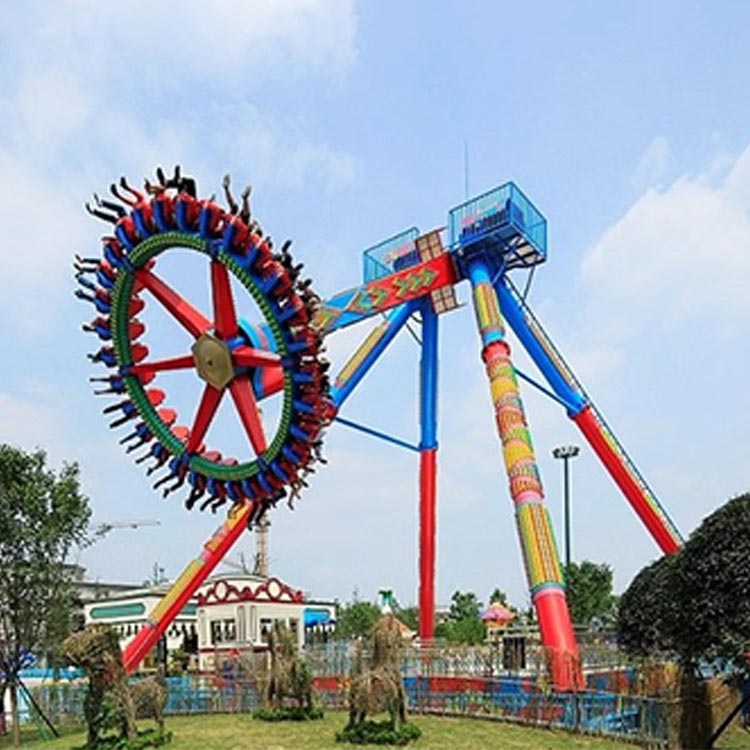
Safety Certification for Amusement Rides Is Not a Single Standard
One common misunderstanding is assuming there is one global safety certification for amusement rides. In reality, certification depends on where the ride is manufactured, installed, and operated.
Different regions apply different regulatory systems:
-
North America relies heavily on ASTM standards
-
Europe follows EN standards
-
Many countries adopt national standards based on international frameworks
-
Local authorities may impose additional inspection requirements
A compliant ride must satisfy both manufacturing standards and on-site operational inspections, not just one or the other.
Core International Frameworks in Safety Certification for Amusement Rides
ASTM Standards and Their Role in Ride Safety
ASTM standards, particularly those developed under the ASTM F24 committee, are widely recognized in North America and many international markets. They define requirements for:
-
Structural design loads
-
Passenger restraint systems
-
Clearance envelopes
-
Control systems and emergency stop logic
-
Documentation and maintenance procedures
ASTM certification does not simply evaluate the finished ride. It assesses whether the entire lifecycle—from design to daily operation—meets safety expectations.
EN Standards in Safety Certification for Amusement Rides
In Europe and regions adopting European compliance models, EN 13814 is the primary reference. It focuses heavily on:
-
Fatigue analysis of structures
-
Load combinations under dynamic movement
-
Welding quality and traceability
-
Redundancy in safety-related components
EN certification places strong emphasis on engineering calculations and material behavior over time, not just initial performance.
The Difference Between Design Certification and Operational Certification
Safety certification for amusement rides is divided into two critical phases.
Design certification confirms that the ride has been engineered correctly. This includes calculations, drawings, material selection, and system logic.
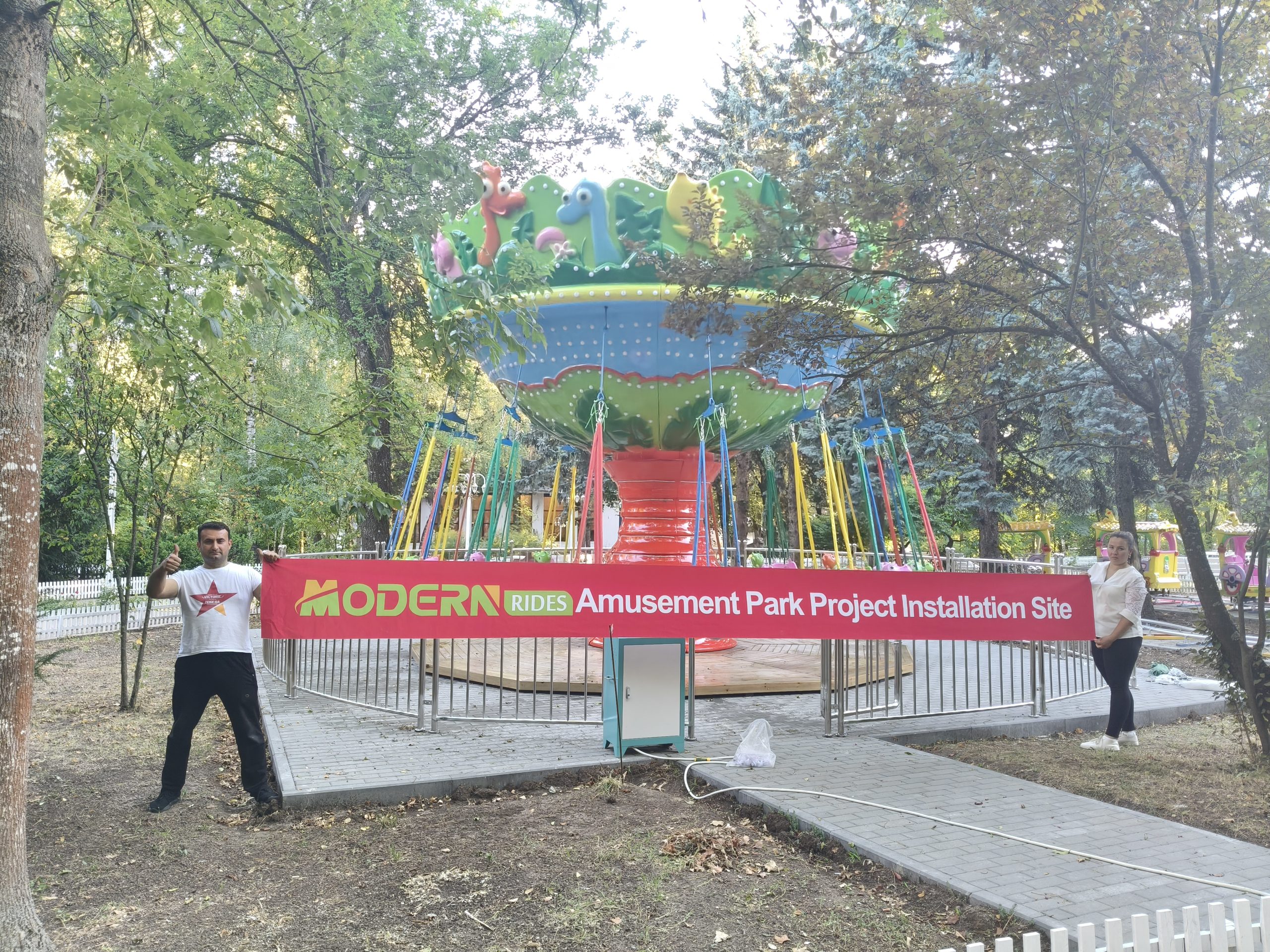
Operational certification happens after installation, verifying that the ride was installed correctly, adjusted properly, and tested under real conditions. A ride with perfect design can still fail operational certification if installation or commissioning is incorrect.
Both phases are mandatory, and skipping either one creates long-term liability.
How Manufacturers Prepare for Safety Certification for Amusement Rides
From a manufacturing perspective, certification is not an afterthought. Reputable factories integrate safety certification requirements into daily production.
This includes:
-
Using certified raw materials with traceable mill certificates
-
Applying controlled welding procedures with qualified welders
-
Conducting internal load testing before shipment
-
Maintaining full production records for future audits
At MODERN, safety certification for amusement rides is treated as part of engineering discipline, not paperwork. Each ride is built with the expectation that it will be inspected by third-party engineers, authorities, and insurers at any time.
On-Site Inspection: The Most Overlooked Part of Safety Certification for Amusement Rides
Many operators focus heavily on factory certificates but underestimate on-site inspection.
On-site safety certification for amusement rides typically includes:
-
Foundation and anchoring verification
-
Electrical grounding and insulation tests
-
Emergency stop and braking performance checks
-
Full-load and overload test runs
-
Clearance verification during maximum movement
Environmental conditions such as wind exposure, temperature range, and soil conditions are also evaluated during inspection, especially for outdoor rides.
Maintenance Documentation and Its Role in Ongoing Certification
Safety certification for amusement rides does not end on opening day. In most regions, continued operation depends on documented maintenance.
Authorities and insurance companies often require:
-
Daily inspection logs
-
Scheduled maintenance records
-
Replacement history for critical components
-
Incident and corrective action reports
Incomplete records can invalidate certification even if the ride itself is mechanically sound.
Personnel Training and Safety Certification for Amusement Rides
Certification applies not only to machines but also to people. Operators must be trained to understand:
-
Normal operating limits
-
Emergency procedures
-
Passenger behavior management
-
Basic fault recognition
Improper operation is one of the leading causes of ride incidents worldwide. Certified equipment operated by untrained staff still represents a safety risk.
Common Certification Challenges in International Projects
For export projects, safety certification for amusement rides becomes more complex. Challenges often include:
-
Differences between local and international standards
-
Language barriers in technical documentation
-
Coordination between inspectors from different authorities
-
Timing conflicts between shipment and inspection schedules
Experienced manufacturers anticipate these challenges early and adjust design, documentation, and testing plans accordingly.
Why Safety Certification for Amusement Rides Protects Long-Term Investment
Beyond compliance, safety certification protects asset value. Certified rides:
-
Are easier to insure
-
Retain higher resale value
-
Face fewer operational interruptions
-
Build long-term trust with authorities and customers
For developers and park owners, certification reduces uncertainty and stabilizes operational planning over the full service life of the ride.
Choosing a Manufacturer That Understands Safety Certification for Amusement Rides
Not all manufacturers approach certification with the same seriousness. Buyers should look for partners who:
-
Can explain certification requirements clearly
-
Provide complete technical documentation
-
Support on-site inspection and commissioning
-
Offer long-term compliance guidance
MODERN has worked with safety certification for amusement rides across multiple countries and regulatory systems. This experience allows projects to move forward with fewer delays and fewer surprises.
Final Thoughts on Safety Certification for Amusement Rides
Safety certification for amusement rides is not a barrier to business—it is the structure that makes sustainable operation possible. When handled correctly, it protects passengers, operators, and investors alike.
Understanding certification as a continuous process rather than a one-time approval allows amusement projects to operate safely, legally, and confidently for years to come.
Online Message
Please leave the message you want to inquiry. We will reply you as soon as possible within 24 hours.